Remodeling Contractor Secrets: How to Ensure a Smooth Renovation Process
Navigating a home renovation can be difficult. Homeowners often face unforeseen obstacles that can create difficulties. Picking the right remodeling contractor is essential for preventing frequent mistakes. Well-defined goals and proper discussion can make a significant difference. Yet, many miss critical actions that can lead to setbacks and complications. Understanding these valuable tips can help simplify the process and secure a positive result. What steps can property owners take to address these obstacles?
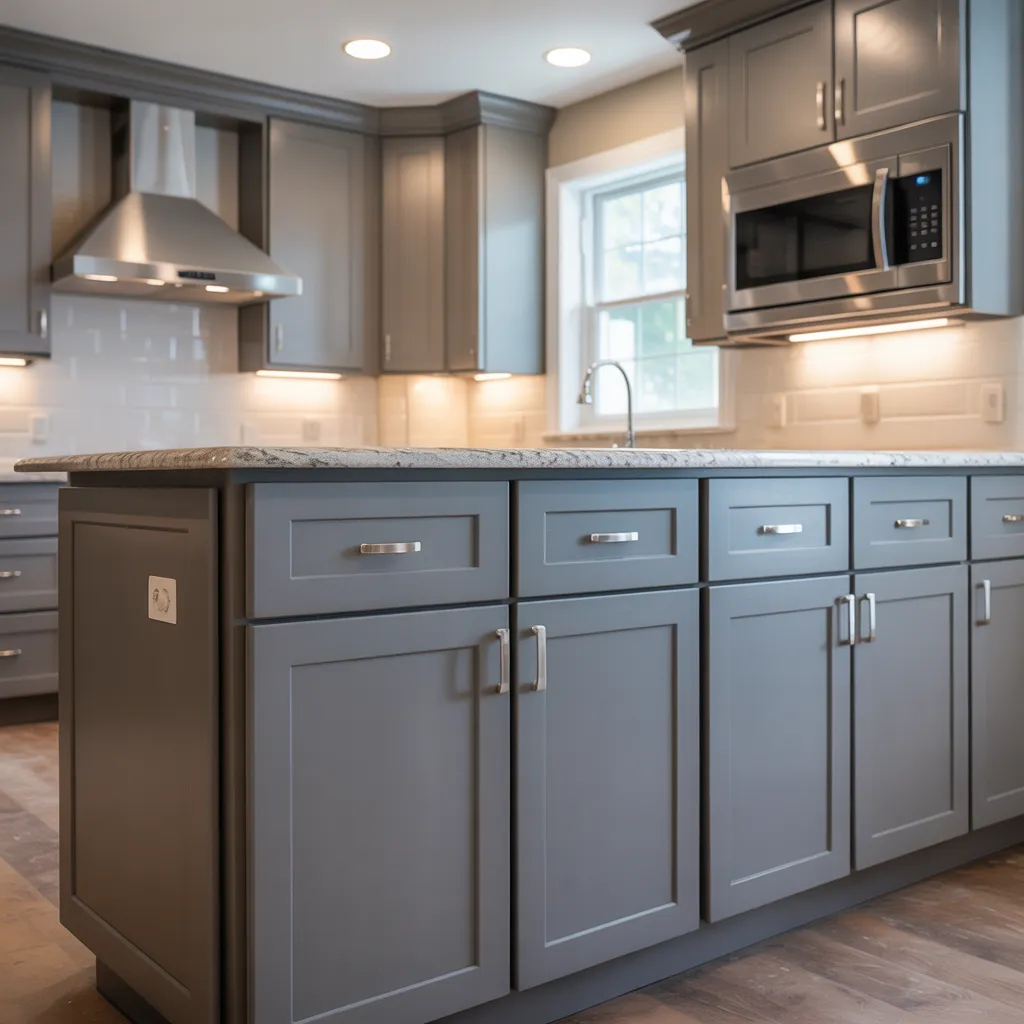
Exploring the Role of a Remodeling Contractor
A home improvement contractor orchestrates the multifaceted process of residential renovations, making sure projects progress efficiently from start to finish. This specialist serves as the primary point of contact in coordinating various tasks, from the planning phase to the finishing details. They demonstrate a thorough grasp of construction techniques, materials, and local building codes, which empowers them to form educated choices that affect project outcomes.
The contractor is responsible for coordinating subcontractors, organizing work schedules, and monitoring the budget. They also act as a liaison between clients and tradespeople, resolving issues and delivering updates during the renovation process. Clear communication is vital, since it allows the client's goals to be matched with real-world execution. Through managing timelines and maintaining quality, the remodeling contractor reduces interruptions and improves overall productivity. In the end, their skills and guidance are instrumental in bringing a client's renovation vision to life while maintaining a focus on safety and compliance.
How to Set Clear Expectations for Your Project
Setting clear expectations is essential for the achievement of any renovation project. Homeowners should begin by defining their goals and desired outcomes, guaranteeing that everyone involved understands the extent of the work. Detailed project descriptions help prevent misunderstandings later on. Setting a practical budget is equally important; it ought to account for possible unexpected costs.
Homeowners should communicate their timelines, such as start and finish dates, which assists in coordinating contractor availability. Talking through the materials needed and their availability can further clarify the project's direction. Frequent communication can aid in handling concerns as they arise, reinforcing a collaborative atmosphere.
Ultimately, recording all decisions and agreements can provide a reference point throughout the project, minimizing disputes. By examination defining these expectations clearly, property owners can encourage a more streamlined and productive renovation process, ensuring that the final results align with their vision.
The Role of Effective Communication
Effective communication serves as the foundation of every successful renovation project, making certain that all parties involved stay aligned from start to finish. It fosters transparency, enabling all parties to share their needs, ideas, and concerns without hesitation. When communication stays open and reliable, misinterpretations can be avoided, ultimately preventing expensive setbacks and revisions.
Contractors can take advantage of regular updates, enabling them to adjust their timelines and resource allocation as necessary. Homeowners, in turn, gain reassurance via regular check-ins, staying better informed and connected. Clear communication also fosters trust, an essential element for a mutually beneficial working partnership.
Utilizing multiple channels of communication, including in-person meetings, emails, and phone calls, is able to accommodate different preferences and confirm that critical information is communicated in a timely manner. Ultimately, making effective communication a priority not only improves the overall renovation journey but also helps in accomplishing the expected outcome with efficiency and satisfaction.
Critical Questions to Consider When Hiring the Right Contractor?
How do homeowners go about finding and selecting a dependable remodeling contractor? To ensure they are making the right selection, they should start by asking critical questions. Homeowners are advised to question the contractor regarding their experience and proficiency in targeted remodeling work, verifying that the professional holds the appropriate competencies for the job being considered. It is equally important to request references and samples of previous projects to assess workmanship and dependability.
Homeowners should clarify the licensing and insurance details of the contractor, verifying their adherence to local rules and standards. Moreover, addressing the project timeline and availability helps set realistic expectations. Asking about subcontractors and their qualifications can also reveal the level of professionalism expected throughout the process.
Ultimately, homeowners ought to ask for a transparent payment plan and ask about guarantees covering both materials and labor. By raising these key inquiries, property owners can more effectively evaluate prospective contractors and make an informed decision about the ideal contractor for their renovation needs.
Examining Contractor Proposals
When evaluating contractor bids, it is important to compare pricing structures to guarantee budgetary consistency. Furthermore, reviewing project deadlines helps in determining the practicality of each contractor's approach. This systematic approach assists in making well-informed choices that can significantly influence the renovation project.
Review Pricing Plans
Even though reviewing pricing structures can feel daunting, homeowners must carefully examine contractor proposals to confirm they are getting the most value for their money. Contractors often propose a range of pricing arrangements, such as set pricing, hourly billing, or cost-plus agreements. Property owners should consider not only the full costs but also the details covered in each bid. For example, some proposals may include materials and labor comprehensively, while others may separate them, causing unanticipated charges further along. Additionally, evaluating payment schedules and terms can reveal potential financial risks. By understanding these nuances, homeowners can make informed decisions and select a contractor whose pricing structure aligns with their budget and project expectations.
Review Project Timelines
Evaluating project timelines is crucial for homeowners seeking clarity in contractor bids, as delays can greatly impact financial plans and expectations. A careful examination of recommended timeframes helps homeowners pinpoint possible delays and ensure that contractors maintain practical timelines. Homeowners should compare the anticipated start and finish dates across several bids, paying attention to the specific phases of the project. It is advisable to inquire about the contractor's strategy for handling unexpected setbacks, such as adverse weather or material shortages. Transparent dialogue about project benchmarks can promote responsibility and openness. By grasping the projected timeframe, homeowners can more accurately set their goals and get ready for any changes necessary throughout the renovation process, resulting in a more seamless outcome.
Tips for Keeping Your Renovation on Track
Staying on schedule during a renovation can greatly impact the overall success of the project. To sustain progress, transparent dialogue between the homeowner and contractor is vital. Setting up a thorough timeline with defined checkpoints helps everyone maintain accountability. Frequent updates can handle any likely holdups early on, guaranteeing that concerns are addressed in a timely manner.
Additionally, planning for unforeseen difficulties, such as supply chain disruptions or weather-related setbacks, permits a more adaptable schedule. It is also important for homeowners to ensure that choices concerning materials and aesthetic decisions are made in advance to minimize last-minute adjustments that may disrupt progress.
In conclusion, working with a credible contractor with a demonstrated history of success can considerably increase the chances of remaining on track. A professionally managed team, possessing the necessary tools and materials, will manage tasks efficiently, minimizing downtime and ensuring the project stays on schedule. Thorough preparation and proactive management are critical factors in accomplishing a punctual renovation finish.
Frequent Remodeling Mistakes With Contractors
Successful remodeling projects necessitate not only careful planning but also an recognition of possible obstacles that can arise when working with contractors. One common issue is miscommunication, which can lead to confusion regarding project scope, timelines, and budgets. It is imperative for homeowners to establish clear expectations and keep communication channels open throughout the remodeling project.
Another common pitfall is failing to account for costs. Property owners often overlook supplementary expenditures such as materials, permits, or unexpected repairs, which can create financial strain. Additionally, the decision on which contractor to hire carries considerable weight; selecting unqualified or inexperienced contractors can cause inferior workmanship or legal difficulties.
Lastly, ignoring references and feedback can result in hiring unqualified contractors. Homeowners should invest time in researching and vetting potential candidates to steer clear of setbacks and frustration. By recognizing these pitfalls, homeowners can preserve the integrity of their renovation projects and enjoy a more efficient experience.
Frequently Asked Questions
What Should I Do if My Contractor Misses a Deadline?
Should a contractor not meet an agreed-upon deadline, the homeowner should communicate directly, expressing concerns and seeking clarification. Record the discussion, check the agreement for specific terms, and evaluate the possibility of creating a new timeframe or pursuing other remedies as required.
How Do I Manage Unexpected Expenses During the Renovation?
To handle unforeseen expenses amid renovation work, it is advisable to thoroughly assess the agreement, speak transparently with the renovation professional, investigate different approaches, and keep a contingency fund. This preventive method reduces stress levels and promotes a smoother renovation process.
What Permits Are Needed for My Remodeling Project?
To establish necessary permits for a renovation project, one must consult local construction regulations. Generally, permits may include structural, electrical, plumbing, or zoning approvals, based on the project's scope and location regulations.
Can I Live in My Home During the Renovation?
In many cases, homeowners are able to stay in their homes during renovation projects, but the feasibility relies on the scope of the work being done. Disruptions such as noise, dust, and restricted access can present difficulties, so thorough planning and open communication with your contractors are crucial.
How Can I Resolve Disagreements With My Contractor?
To address disputes with a contractor, one should articulate concerns directly, consider their point of view, work toward a mutual agreement, keep records of conversations, and, should the need arise, explore mediation options to arrive at an agreeable solution for both parties.